
The Future of 3D Printing
The Future of 3D Printing for Aurora, CO Students
3D printing started as a niche prototyping tool. Engineers used it to test shapes before committing to expensive manufacturing runs. Fast forward to today, and the technology has grown into a full-scale production method used across aerospace, medicine, architecture, and consumer goods. In Aurora, CO, Pickens Technical College is explaining AI in the design industry and some of the changes students should know. Understanding what’s driving these shifts-and where the future of 3D printing is headed-can make a real difference for anyone entering a design-related field.
How 3D Printing Has Evolved
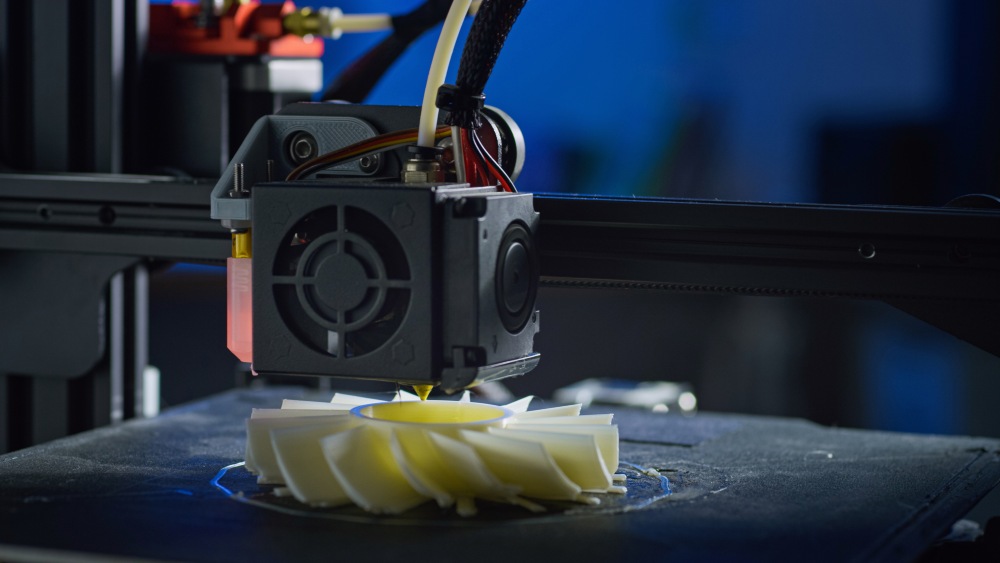
Early 3D printers worked with a narrow range of plastics and required significant technical knowledge to operate. The machines were slow, the outputs were rough, and post-processing took hours. Today’s systems are faster, more precise, and capable of printing with dozens of material types-from flexible polymers to structural metals. Advanced 3D printing now sits at the center of serious production environments, not just research labs.
Advanced Materials Shaping the Future
Material science has been one of the biggest drivers of the technology’s growth. Carbon fiber composites, biocompatible resins, and even concrete can now move through a print head. These aren’t novelty applications-they’re being used to build aircraft components, custom medical implants, and modular housing structures. The 3D printing scope has expanded so dramatically that material selection now rivals design complexity as a key skill for students to develop.
AI’s Role in Smarter 3D Printing
AI in 3D printing is changing how designs are created, optimized, and reviewed before a single layer is printed. Generative design tools can analyze load requirements and produce geometric structures that no human designer would sketch by hand-and these forms often perform better than traditional shapes. Error detection software monitors print jobs in real time, catching layer failures before they compound. For design students, 3D printing and AI represent a combined skill set that employers are actively seeking.
Applications Expanding Across Industries
The reach of the technology goes well beyond product design. Medical teams use patient-specific bone scaffolds and surgical guides printed from CT scan data. Architects produce detailed scale models and test structural concepts without contracting fabrication shops. Automotive engineers print brackets and housing components directly from CAD files. Each of these use cases requires someone who understands both the design intent and the technical constraints of the printing process.
Growth of 3D Printing in Consumer Markets
Consumer-grade printers have dropped sharply in price over the past decade. Machines that once cost tens of thousands of dollars are now available for a few hundred. This shift has created a large base of hobbyists, small business owners, and independent designers who print custom goods, replacement parts, and prototypes at home. For students entering the field, this means competition-but also opportunity, since demand for skilled designers who understand print-ready file preparation continues to grow.
Sustainability and Waste Reduction
Traditional manufacturing removes material from a larger block, generating significant waste. 3D printing builds objects layer by layer, using only what’s needed. Some systems now work with recycled filament or biodegradable materials, which appeals to manufacturers facing tighter environmental regulations. Students who understand eco-conscious material choices bring an added layer of value to design roles where sustainability reporting has become standard.
Challenges the Technology Still Faces
Print speed remains a bottleneck for high-volume production, and surface finish quality can still require manual finishing work. Intellectual property is another growing concern-digital files can be copied and distributed, raising questions about design ownership that the industry hasn’t fully resolved. Material costs for industrial-grade composites remain high, which limits adoption in cost-sensitive sectors. None of these are permanent barriers, but students should understand them as real factors shaping hiring decisions and project scopes.
Career Opportunities for Students
Roles that didn’t exist ten years ago are now listed on major job boards. Companies hire 3D print technicians, generative design specialists, and manufacturing careers at competitive salaries. Design firms want people who can move from concept to print-ready file without handoff delays. Students who combine foundational design training with working knowledge of print processes-and understand how AI tools fit into that workflow-are well-positioned to step into these roles quickly. Here are some career paths connected to 3D printing and design:
- Product Designer – Creates consumer goods and components optimized for additive manufacturing
- Biomedical Device Technician – Produces custom implants and surgical tools from patient data
- Architectural Model Specialist – Builds physical representations of digital building concepts
- Additive Manufacturing Engineer – Manages print operations, material selection, and quality control
- Generative Design Consultant – Uses AI-assisted software to develop high-performance structural forms
Apply to Pickens Technical College Now!
Pickens Technical College offers affordable, accredited career and technical education programs designed to get students workforce-ready. With over 50 certificate programs, transferable college credits, and hands-on training taught by industry professionals, our programs give students practical skills that employers value from day one. Apply for free or visit the campus to take a tour and speak with an advisor.

Short-Form Video Trends and Careers to Know in 2026
Short-form video used to be a novelty, but now it’s essential. Brands, educators, and creators…

Navigating AI in the Design Industry: Tips for Students
Artificial intelligence is changing creative fields more quickly than many expected.…